Who to Call for Tree Removal Services Across Perth Suburbs
Trees add value, shade, and character to a property, but there are times when removal becomes necessary rather than optional. Whether it’s storm damage, disease, or a tree that’s simply outgrown its space, tree removal isn’t a job to take lightly. Between safety risks, council rules, and the specialized equipment involved, knowing when and who to call makes a significant difference in how smoothly the process goes.
When Tree Removal Is Necessary vs Optional
Not every tree that looks a bit unruly needs to come down. Removal typically becomes necessary when a tree is dead, diseased beyond recovery, structurally unstable, or posing a genuine risk to nearby structures or power lines. Storm damage can also leave a tree unsafe even if it still looks intact from the ground. Knowing who to call for tree removal services across Perth suburbs means you’re not left scrambling to find help when a tree suddenly becomes a safety concern after a storm.
In other cases, removal is more of a choice than a necessity, such as when a tree’s root system is interfering with foundations, pipes, or paving, or when it’s simply outgrown the space it was planted in.
Permits and Local Council Rules for Tree Removal
Many Perth suburbs have specific rules around tree removal, particularly for established or protected trees. Some councils require a permit before any significant tree can be removed, even on private property, while others have exemptions for trees that are dead, dangerous, or of a certain size. Rules can vary noticeably from one local council area to the next, so it’s worth checking with your specific council before assuming removal is straightforward.
A professional tree removal service will typically be familiar with these local requirements and can advise on whether a permit is needed for your particular situation.
What Professional Tree Removal Involves
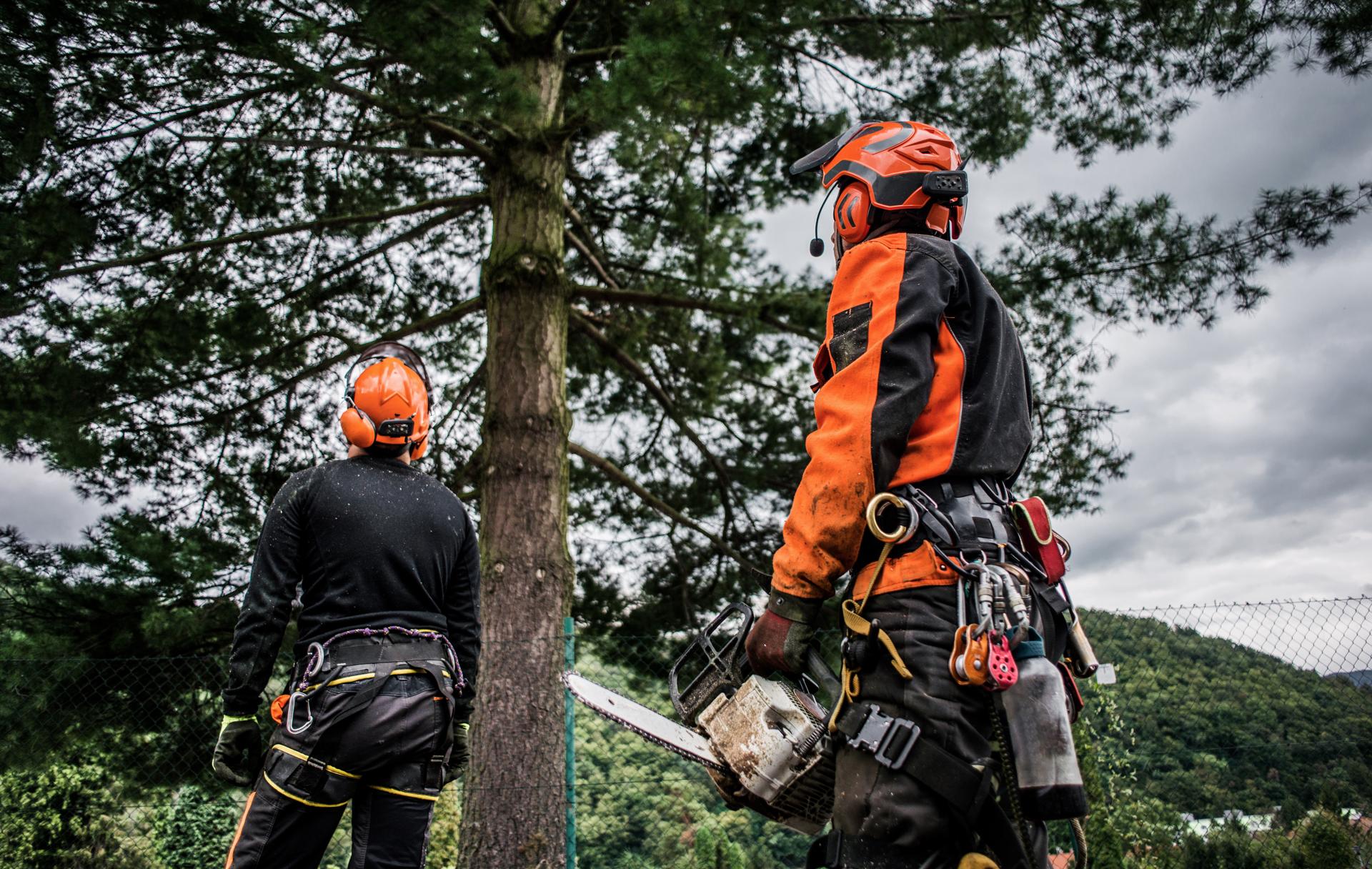
Tree removal is a more involved process than simply cutting a trunk down. Depending on the tree’s size, location, and condition, it may need to be removed in sections rather than felled as a whole, particularly if it’s close to a house, fence, or power lines. Root removal, stump grinding, and site cleanup are also typically part of a complete tree removal job.
Larger or more complex removals may require specialized equipment like cranes or elevated platforms to safely access and dismantle the tree without risking damage to surrounding property.
Safety Risks of DIY Tree Removal
Tree removal is one of the more dangerous home maintenance tasks a homeowner can attempt without proper training. Falling branches, unpredictable weight distribution, and the risk of a tree falling in an unintended direction all pose serious safety hazards. Trees near power lines add an additional layer of risk that should never be handled without professional expertise.
Even smaller trees can cause significant injury or property damage if removal doesn’t go as planned, which is why most tree removal work is best left to trained professionals with the right equipment and safety protocols in place.
Choosing a Qualified Tree Removal Service
When selecting a tree removal service, look for proper licensing, insurance, and experience with the type and size of tree you need removed. Ask whether they handle the full scope of the job, including stump grinding and debris cleanup, or whether those are separate services. Checking reviews and asking about their experience with local council requirements can also give you confidence that the job will be handled correctly from start to finish.
Making the Right Call
Tree removal isn’t something to handle casually, whether it’s due to safety concerns, council requirements, or the physical risks involved in the work itself. Knowing when removal is genuinely necessary, understanding local permit rules, and choosing a qualified service to handle the job safely all contribute to a smoother, safer outcome for your property.