Top First Aid Strategies to Reduce Arterial Blood Loss
Arterial bleeding is one of the most serious emergencies because blood can leave the body very quickly. Acting with confidence and using proper first aid methods can greatly improve safety until professional medical help arrives. Learning a few essential strategies can make emergency response faster, calmer, and more effective.
Recognize the Signs of Arterial Bleeding
Understanding the warning signs helps people react without delay. Arterial bleeding often appears bright red and may flow rapidly or pulse with the heartbeat. Quick identification allows immediate action before blood loss becomes severe.
Common signs include:
- Rapid blood flow from a wound
- Pulsing or spurting bleeding
- Weakness or dizziness
- Pale or cool skin
- Fast breathing or confusion
- Difficulty remaining alert
Apply Firm Direct Pressure
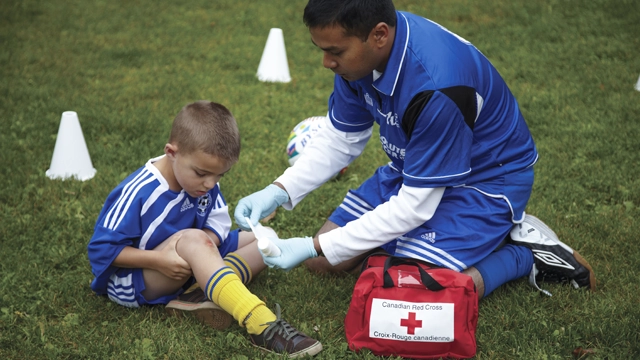
Direct pressure is one of the most effective first aid methods for controlling heavy bleeding. Using a clean cloth, dressing, or fabric barrier can help slow the flow of blood and protect the wound.
Important pressure techniques include:
- Press firmly over the injured area
- Use both hands if needed
- Maintain continuous pressure without lifting repeatedly
- Add extra layers if blood soaks through
- Encourage the injured person to remain still
Consistent pressure gives the body more time to form natural clotting responses.
Elevate the Injured Area Carefully
If possible, gently raising the injured limb above heart level may help reduce arterial bleeding blood flow to the wound. This step should only be done when there is no suspected fracture or severe bone injury.
Helpful reminders include:
- Move the limb slowly and carefully
- Support the injured area with steady positioning
- Avoid unnecessary twisting or bending
- Keep the person comfortable and calm
Use Pressure Points When Necessary
Pressure points may help reduce blood flow when direct pressure alone is not enough. Applying pressure to major arteries above the wound can support bleeding control efforts.
Key considerations include:
- Press against firm body structures
- Use steady and controlled force
- Continue monitoring the injured person
- Combine this method with direct wound pressure
This strategy can provide valuable support during serious emergencies.
Keep the Injured Person Stable
Reducing movement is important because excessive motion may increase blood loss. Reassurance and calm communication can also help lower panic and stress.
Supportive care steps include:
- Encourage slow breathing
- Keep the person lying down if possible
- Protect them from cold temperatures
- Avoid giving food or drinks during severe bleeding
- Continue speaking calmly and clearly
Comfort and reassurance often improve cooperation during treatment.
Monitor For Signs of Shock
Heavy blood loss can affect circulation and energy levels. Watching for early warning signs allows quicker emergency response.
Signs to observe include:
- Cold or clammy skin
- Rapid pulse
- Extreme weakness
- Shallow breathing
- Restlessness or confusion
Keeping the person warm and maintaining steady observation can help until medical assistance arrives.
Stay Prepared For Emergencies
Preparation increases confidence during unexpected situations. Basic first aid knowledge and quick action can significantly reduce complications from arterial bleeding injuries.
Helpful preparation ideas include:
- Learn emergency response techniques
- Keep clean dressings available
- Practice staying calm under pressure
- Understand how to contact emergency services quickly
- Review first aid procedures regularly
Fast thinking, careful action, and steady support are powerful tools during emergencies. With the right first aid strategies, people can respond effectively and help reduce arterial blood loss while waiting for advanced medical care.